Category: Science
05. Feb 2024
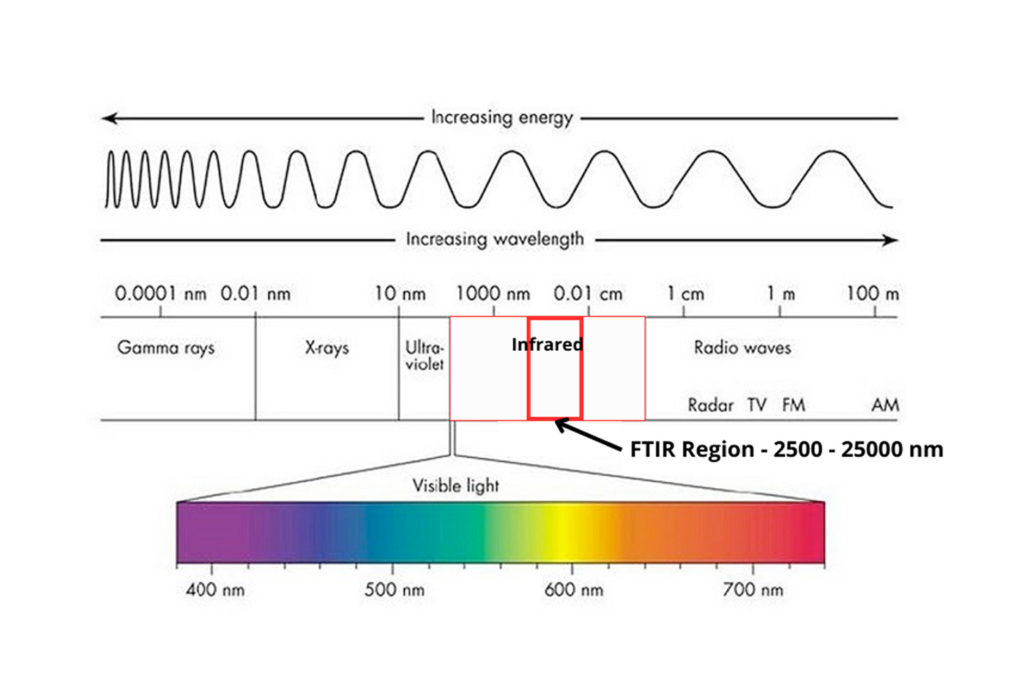
FTIR vs. NIR Spectroscopy: A Comparative Analysis
In the world of spectroscopic analysis, two prominent methods stand out: Near-Infrared (NIR) and Fourier Transform Infrared (FTIR) Spectroscopy. These methods are known for their distinct capabilities and applications. Both techniques are invaluable in the realm of material analysis, providing unique insights into the composition and characteristics of various substances.
30. Jan 2024
The Imperative Role of NIRLAB’s Innovations in Advancing Public Health Harm & Reduction Strategies
Public health encompasses various facets, with harm reduction playing a pivotal role, particularly in substance use scenarios. Its primary objective is to minimize adverse health and societal effects linked to drug use. Yet, the journey toward effective harm reduction encounters numerous challenges, from societal biases to logistical and financial constraints.

30. Jan 2024
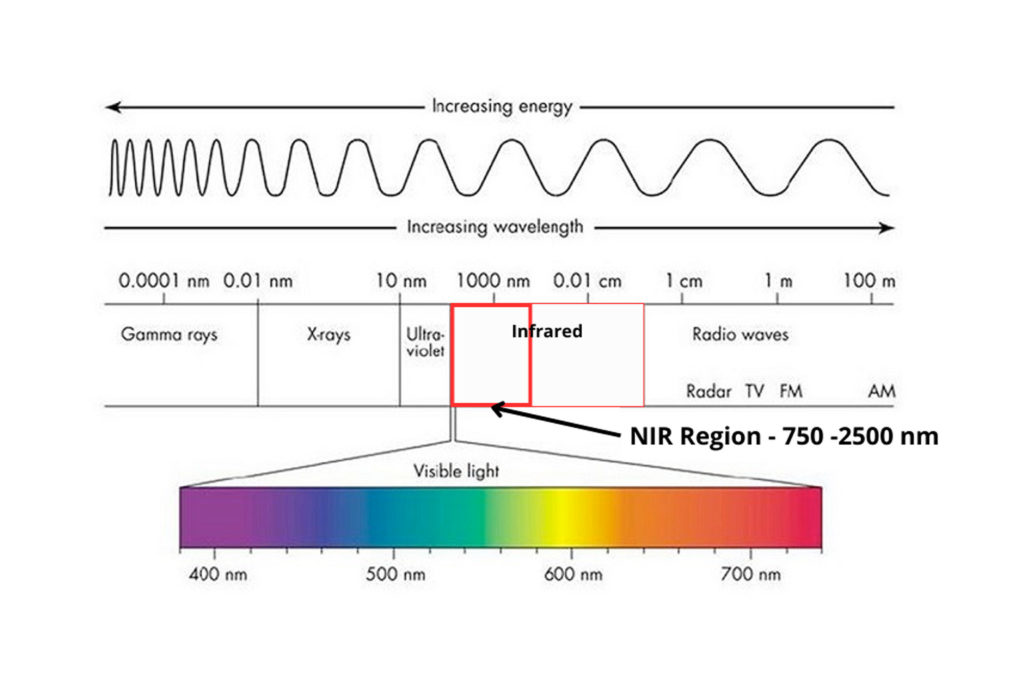
The Science Behind NIR: How It Helps in Material Identification
Near-Infrared Spectroscopy (NIR) stands as a beacon in the realm of material identification, bridging the gap between the unseen molecular world and practical applications that touch our everyday lives. This technique, although rooted in complex scientific principles, has a straightforward goal: to identify and analyze materials quickly and accurately. At
12. Dec 2023
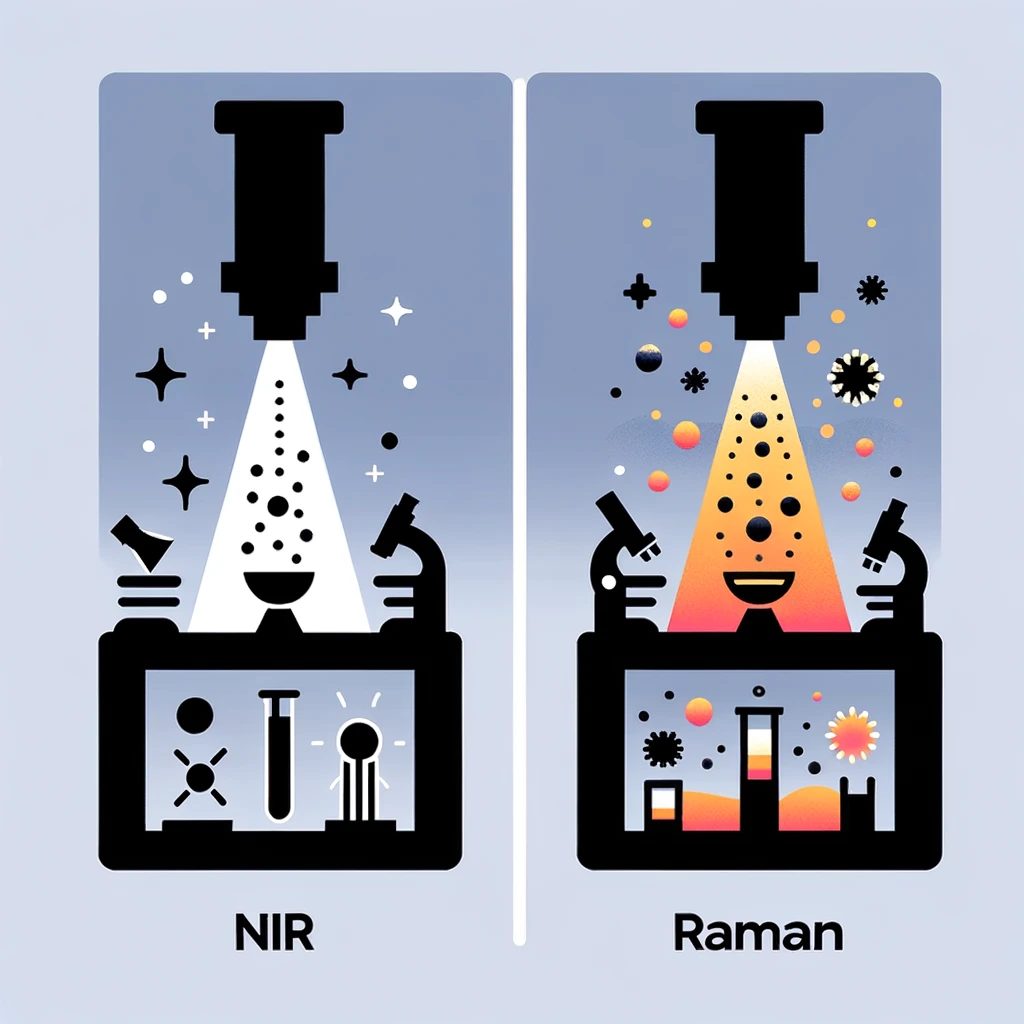
Unlocking the Secrets: NIR vs. Raman Spectroscopy in Substance Analysis
In the expansive domain of scientific exploration, few techniques offer the depth and versatility of spectroscopy. This comprehensive exploration digs into the fundamental principles of spectroscopy, focusing on the comparison between Near-Infrared (NIR) Spectroscopy and Raman Spectroscopy. Moreover, NIRLAB standing as an expert and opinion leader in substance analysis, plays
13. Apr 2023
Providing illicit drugs results in five seconds using ultra-portable NIR technology
The analysis of illicit drugs faces many challenges, mainly regarding the production of timely and reliable results and the production of added value from the generated data. It is essential to rethink the way this analysis is operationalised, in order to cope with the trend toward the decentralization of forensic